
Ever since we were born we're taught what to do and what not to do, whats good and whats bad. And we are taught this in a way that made it looked like a reality, like thats the only way it can be. But as we grow up and see different types of people along different cultures following different religions/beliefs, one can only stop and ask are the moral values we've been taught correct? or even if they aren't how can we tell?

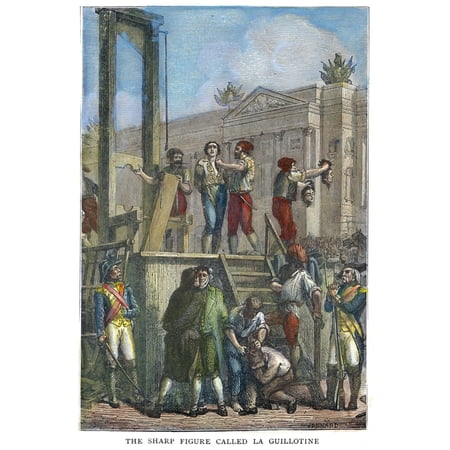
Barely 200 years ago public executions were very common in europe (A trend that has been going since the roman gladiators), they were like fairs where hundreds of people would plan to go with their children just to watch a man get beheaded under the mighty blade of the guillotine as a form of entertainment. If a universal good was a thing then wouldn't those people stand up against the authority and fight against these inhuman acts of punishment?
Now compare that to society today, in the post modern era we are alot less harsh on crime and capital punishment, but isn't that what those people who publically executed might have thought too? the inevitable process of progress hides the level of it comparatively. What if 50 years down the road we realize that killing innocent animals just for our lust for taste is just as bad as killing humans just for our lust of entertainment and survive on plants and organic material only in the name of this thing you call 'humanity'. Or the fact that we think killing a sheep is alright but when it comes to killing our own pet dog or cat it becomes the most inhumane thing to do.
All this makes one thing clear atleast, that morality and our sense of whats right isn't universal, it keeps changing over time and place, across cultures and even across the same faith. The same religion that was the guideway for the most influential man to have ever lived was also a source of justification for ISIS. The same bible that was for the character of jesus of nazareth was also what fueled the crusades.
Good and bad for the most part are just man made concepts that we think of as facts in society, we put people against the standards we created only to change them years later down the road. If someone who bought slaves in 1800s when it was legal and justified (even by religion) be innocent now? These kind of questions make the whole concept of an objective good and bad miserably fail. And then there are even more complex questions like
"Is doing something bad for a good cause ok?"
"Would it be okay to kill a murderer when we're just committing the same crime that we consider him guilty for".
"If everyone was to kill a murderer as a revenge for a murder the whole world would be killed then whats the point of revenge anyway?"
The answer to all of these questions can be either yes or no - and you wouldn't be wrong saying either one of them. Since their isn't a universal morality, that makes it a matter of opinion; and the answer will be different depending on who, when and where it is asked. Morality by nature is subjective. your choice of choosing what is good and what is bad is as subjective as your choice to chose which ice cream flavor tastes better......or is it? more on that later.

Barely 200 years ago public executions were very common in europe (A trend that has been going since the roman gladiators), they were like fairs where hundreds of people would plan to go with their children just to watch a man get beheaded under the mighty blade of the guillotine as a form of entertainment. If a universal good was a thing then wouldn't those people stand up against the authority and fight against these inhuman acts of punishment?
Now compare that to society today, in the post modern era we are alot less harsh on crime and capital punishment, but isn't that what those people who publically executed might have thought too? the inevitable process of progress hides the level of it comparatively. What if 50 years down the road we realize that killing innocent animals just for our lust for taste is just as bad as killing humans just for our lust of entertainment and survive on plants and organic material only in the name of this thing you call 'humanity'. Or the fact that we think killing a sheep is alright but when it comes to killing our own pet dog or cat it becomes the most inhumane thing to do.
All this makes one thing clear atleast, that morality and our sense of whats right isn't universal, it keeps changing over time and place, across cultures and even across the same faith. The same religion that was the guideway for the most influential man to have ever lived was also a source of justification for ISIS. The same bible that was for the character of jesus of nazareth was also what fueled the crusades.
Good and bad for the most part are just man made concepts that we think of as facts in society, we put people against the standards we created only to change them years later down the road. If someone who bought slaves in 1800s when it was legal and justified (even by religion) be innocent now? These kind of questions make the whole concept of an objective good and bad miserably fail. And then there are even more complex questions like
"Is doing something bad for a good cause ok?"
"Would it be okay to kill a murderer when we're just committing the same crime that we consider him guilty for".
"If everyone was to kill a murderer as a revenge for a murder the whole world would be killed then whats the point of revenge anyway?"
The answer to all of these questions can be either yes or no - and you wouldn't be wrong saying either one of them. Since their isn't a universal morality, that makes it a matter of opinion; and the answer will be different depending on who, when and where it is asked. Morality by nature is subjective. your choice of choosing what is good and what is bad is as subjective as your choice to chose which ice cream flavor tastes better......or is it? more on that later.
Comments
Post a Comment